
Gauguin and Polynesia
Nicholas Thomas
Ungekürzt
•
9781035907786
10 Stunden 28 Minuten

Einige Artikel enthalten Affiliate-Links (gekennzeichnet mit einem Sternchen *). Wenn ihr auf diese Links klickt und Produkte kauft, erhalten wir eine kleine Provision, ohne dass für euch zusätzliche Kosten entstehen. Eure Unterstützung hilft, diese Seite am Laufen zu halten und weiterhin nützlichen Content zu erstellen. Danke für eure Unterstützung!
Vom Herausgeber
Bloomsbury presents Gauguin and Polynesia written and read by Nicholas Thomas. The Post-Impressionist artist and writer Paul Gauguin led an extraordinary, troubled and restlessly itinerant life; he came late to painting and spent most of his last decade in the Pacific islands of Tahiti and the Marquesas, where he produced paintings loosely based on Polynesian tradition that heralded the emergence of primitivism and would exert a profound influence on modernist artists from Picasso and Matisse to Jackson Pollock. But his art, despite its growing popularity following Gauguin's death in 1903, has provoked mixed responses: although some praise his knowledge and understanding of the Polynesian world, others are censorious, regarding elements of his work as expressions of racism, misogyny and colonial sexual exploitation, which he is seen both to have engaged in and validated through his art. In this life of Gauguin, Nicholas Thomas retells the artist's story for a twenty-first-century audience, giving greater consideration to the Pacific contexts of his experience, and to Pacific perspectives on his art and his legacy.
Beifall für dieses Ensemble

Apollo
-
Cover - Fitzroy Morrissey - The Renewal of Islam
 Fitzroy Morrissey: The Renewal of IslamThe Renewal of IslamFitzroy Morrissey
 -
Cover - Alex La Guma - A Walk in the Night
 Alex La Guma: A Walk in the NightA Walk in the NightAlex La Guma
 -
Cover - Alex La Guma - Time of the Butcherbird
 Alex La Guma: Time of the ButcherbirdTime of the ButcherbirdAlex La Guma
 -
Cover - Yulisa Amadu Maddy - No Past, No Present, No Future
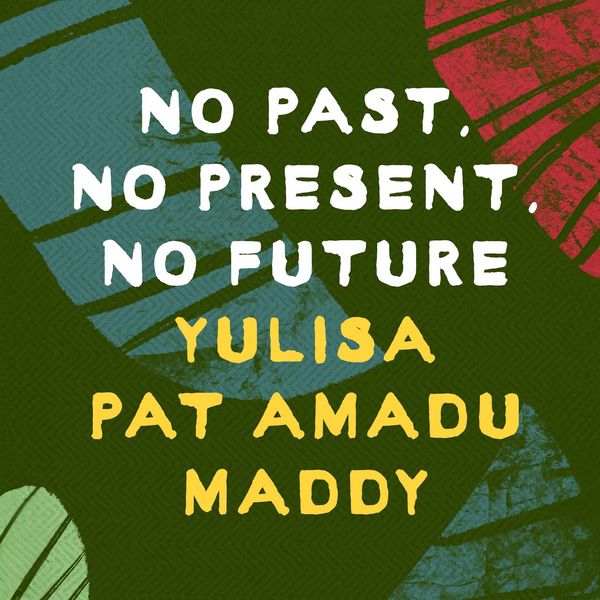 Yulisa Amadu Maddy: No Past, No Present, No FutureNo Past, No Present, No FutureYulisa Amadu Maddy
 -
Cover - I.N.C. Aniebo - Of Wives, Talismans and the Dead
 I.N.C. Aniebo: Of Wives, Talismans and the DeadOf Wives, Talismans and the DeadI.N.C. Aniebo
 -
Cover - Kofi Awoonor - This Earth, My Brother
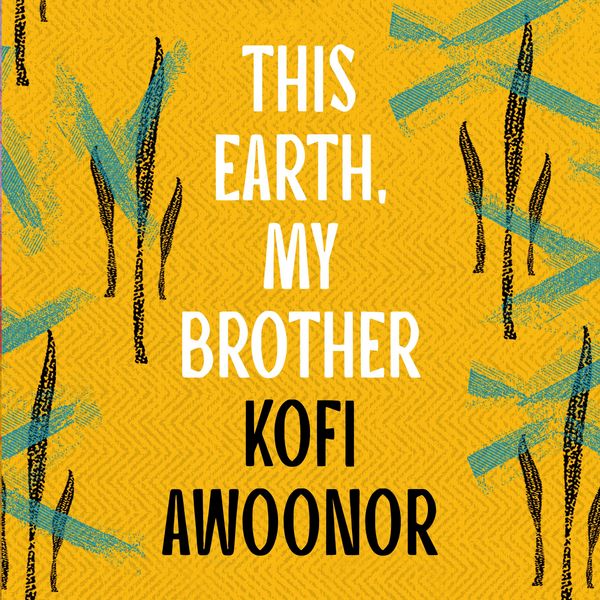 Kofi Awoonor: This Earth, My BrotherThis Earth, My BrotherKofi Awoonor
 -
Cover - Lauren Johnson - Margaret Beaufort
 Lauren Johnson: Margaret BeaufortMargaret BeaufortLauren Johnson