
The Happy Prince and the Swallow
Oscar Wilde
Ungekürzt
•
4099995496499
21 Minuten

Einige Artikel enthalten Affiliate-Links (gekennzeichnet mit einem Sternchen *). Wenn ihr auf diese Links klickt und Produkte kauft, erhalten wir eine kleine Provision, ohne dass für euch zusätzliche Kosten entstehen. Eure Unterstützung hilft, diese Seite am Laufen zu halten und weiterhin nützlichen Content zu erstellen. Danke für eure Unterstützung!
Vom Herausgeber
'The Happy Prince and the Swallow' is a work by the Irish philosopher, aesthete, writer, and poet Oscar Wilde (1854–1900). The tale was written in 1888. Wilde's tales create an original, enchanting world born from the author's imagination. There are no traditional folklore wonders in it; magic here resides in words, and objects are imbued with enchantment. In this illusory reality, everything comes to life, transforming the ordinary into the fabulous. Wilde turned to this genre at a time when his contemporaries were fascinated by technological progress, and realism and naturalism dominated literature. As the greatest aesthete of the century, he believed that prose should not merely be a chronicle or a sermon. It should be colorful, grotesque, playful, and magical. His tales, artistically perfect and deeply tragic, embody the philosophical ideas of Wilde the thinker. Each reading offers new grounds for reflection. Wilde also wrote the following works: 'The Ballad of Reading Gaol,' 'Salome,' 'The Infanta's Birthday,' 'The Nightingale and the Rose,' 'The Princess's Birthday,' 'The Devoted Friend.'
Beifall für dieses Ensemble


Strelbytskyy Multimedia Publishing
-
Cover - A. S. Pushkin - Baryishnya-krestyanka
 A. S. Pushkin: Baryishnya-krestyankaBaryishnya-krestyankaA. S. Pushkin
 -
Cover - Alexander Pushkin - Istoriya Pugachyova
 Alexander Pushkin: Istoriya PugachyovaIstoriya PugachyovaAlexander Pushkin
 -
Cover - Alexander Pushkin - Pesn' o veschem Olege
 Alexander Pushkin: Pesn' o veschem OlegePesn' o veschem OlegeAlexander Pushkin
 -
Cover - Taras Shevchenko - Kobzar. Za vydannyam 1840 roku taras ...
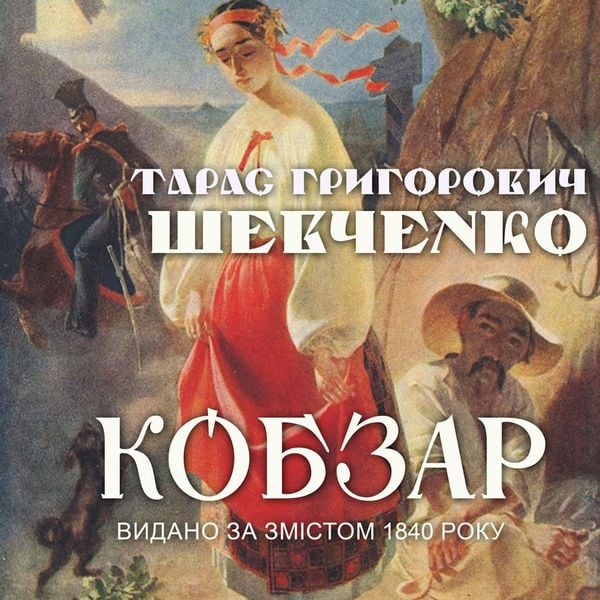 Taras Shevchenko: Kobzar. Za vydannyam 1840 roku taras ...Kobzar. Za vydannyam 1840 roku taras ...Taras Shevchenko
 -
Cover - Alexander Pushkin - Roman v pismah
 Alexander Pushkin: Roman v pismahRoman v pismahAlexander Pushkin