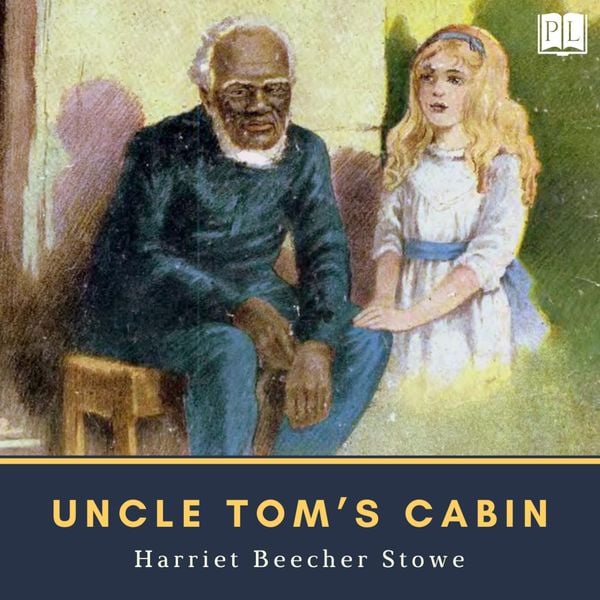
Uncle Tom's Cabin
Harriet Beecher Stowe
Ungekürzt
•
4064066676513
17 Stunden 52 Minuten

Einige Artikel enthalten Affiliate-Links (gekennzeichnet mit einem Sternchen *). Wenn ihr auf diese Links klickt und Produkte kauft, erhalten wir eine kleine Provision, ohne dass für euch zusätzliche Kosten entstehen. Eure Unterstützung hilft, diese Seite am Laufen zu halten und weiterhin nützlichen Content zu erstellen. Danke für eure Unterstützung!
Vom Herausgeber
Uncle Tom's Cabin; or, Life Among the Lowly is an anti-slavery novel by American author Harriet Beecher Stowe. Published in 1852, the novel had a profound effect on attitudes toward African Americans and slavery in the U.S. and is said to have 'helped lay the groundwork for the Civil War'. Stowe, a Connecticut-born teacher at the Hartford Female Seminary and an active abolitionist, featured the character of Uncle Tom, a long-suffering black slave around whom the stories of other characters revolve. The sentimental novel depicts the reality of slavery while also asserting that Christian love can overcome something as destructive as enslavement of fellow human beings. Uncle Tom's Cabin was the best-selling novel of the 19th century and the second best-selling book of that century, following the Bible. It is credited with helping fuel the abolitionist cause in the 1850s. In the first year after it was published, 300,000 copies of the book were sold in the United States; one million copies in Great Britain. In 1855, three years after it was published, it was called 'the most popular novel of our day.' The impact attributed to the book is great, reinforced by a story that when Abraham Lincoln met Stowe at the start of the Civil War, Lincoln declared, 'So this is the little lady who started this great war.' The quote is apocryphal; it did not appear in print until 1896, and it has been argued that 'The long-term durability of Lincoln's greeting as an anecdote in literary studies and Stowe scholarship can perhaps be explained in part by the desire among many contemporary intellectuals ... to affirm the role of literature as an agent of social change.' The book and the plays it inspired helped popularize a number of stereotypes about black people. These include the affectionate, dark-skinned mammy; the pickaninnystereotype of black children; and the Uncle Tom, or dutiful, long-suffering servant faithful to his white master or mistress. In recent years, the negative associations with Uncle Tom's Cabin have, to an extent, overshadowed the historical impact of the book as a vital antislavery tool.
Beifall für dieses Ensemble


Parolita Libro
-
Cover - Arthur Conan Doyle - Sherlock Holmes - The Novels
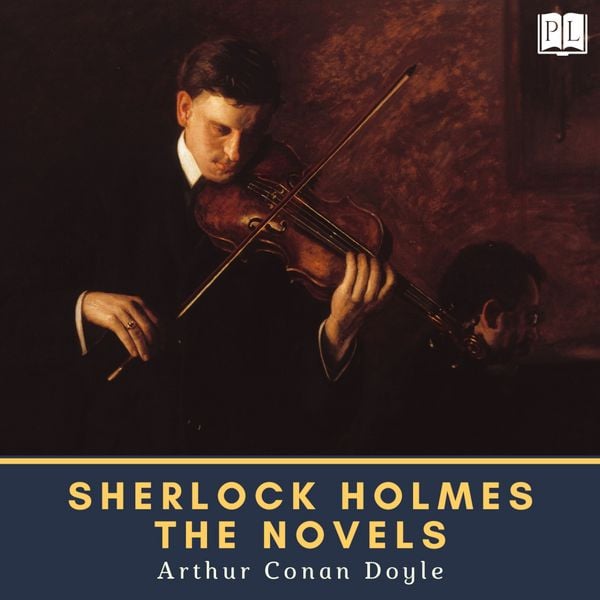 Arthur Conan Doyle: Sherlock Holmes - The NovelsSherlock Holmes - The NovelsArthur Conan Doyle
 -
Cover - William Shakespeare - Love's Labour's Lost
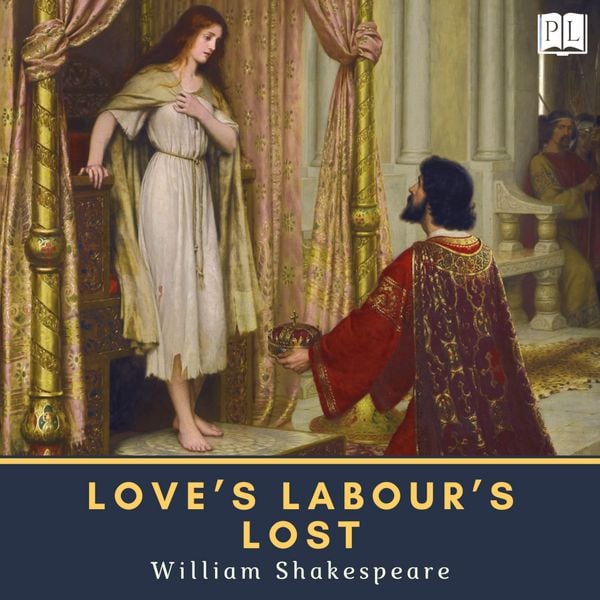 William Shakespeare: Love's Labour's LostSerieLove's Labour's LostWilliam Shakespeare
 -
Cover - Lucy Maud Montgomery - Emily's Quest
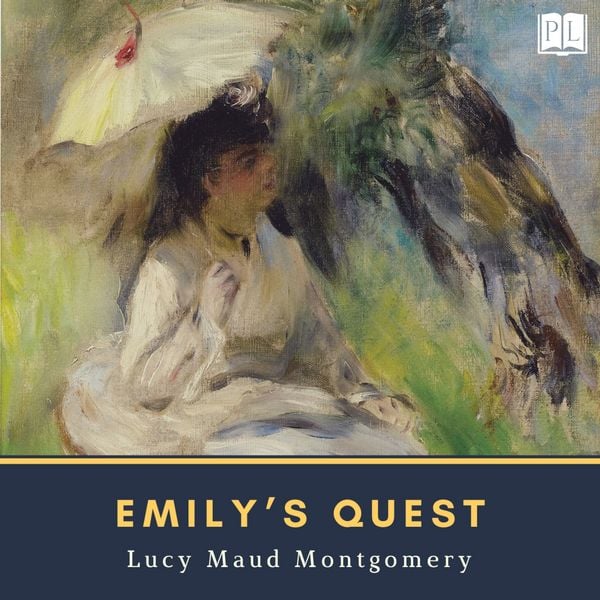 Lucy Maud Montgomery: Emily's QuestSerieEmily's QuestLucy Maud Montgomery
 -
Cover - Fyodor Dostoevsky - The House of the Dead
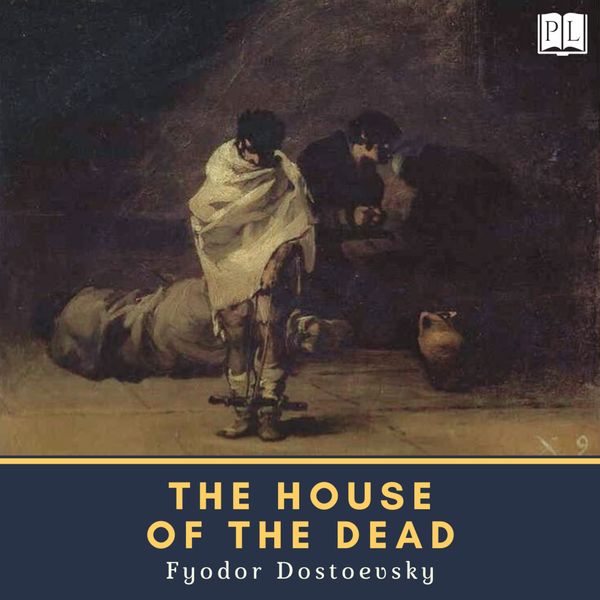 Fyodor Dostoevsky: The House of the DeadThe House of the DeadFyodor Dostoevsky
 -
Cover - William Shakespeare - Much Ado About Nothing
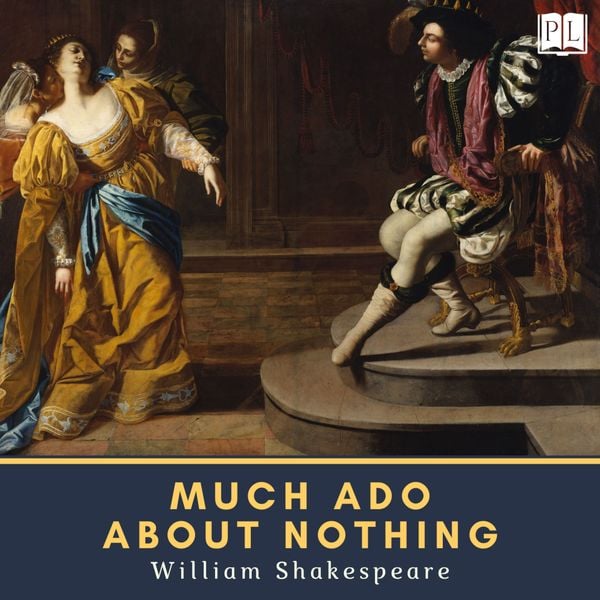 William Shakespeare: Much Ado About NothingSerieMuch Ado About NothingWilliam Shakespeare