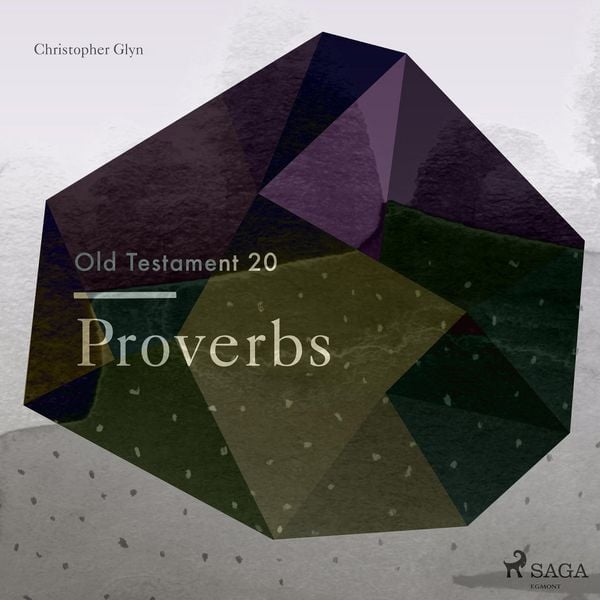
The Old Testament
The Old Testament 20 - Proverbs
Christopher Glyn
Ungekürzt
•
9788711674291
1 Stunde 59 Minuten

Einige Artikel enthalten Affiliate-Links (gekennzeichnet mit einem Sternchen *). Wenn ihr auf diese Links klickt und Produkte kauft, erhalten wir eine kleine Provision, ohne dass für euch zusätzliche Kosten entstehen. Eure Unterstützung hilft, diese Seite am Laufen zu halten und weiterhin nützlichen Content zu erstellen. Danke für eure Unterstützung!
Vom Herausgeber
The genre of Proverbs is mainly 'Proverbs' as the name describes, there are also some Parables and Poetry. This book was written mainly by Solomon, the wisest king ever to rule, however some of the later sections are written by Lemuel and Agur. It was written during Solomon's reign 970-930 B.C. He asked God for wisdom to rule God's nation and He granted the request. The main purpose of this book is to teach wisdom to God's people. Proverbs are short clever explanations, which are easy to remember. They contain truisms. These are things which are typically true however, not always. For example, 'He who tills his land will have plenty of bread' (12:11), it is typically true that one who works his land will have bread but it is not a guarantee to always be true. They deal with life, principles, good judgment, and perception. They often draw distinctions between a wise man and a foolish man with parable type examples.
Beifall für dieses Ensemble

Auch enthalten in

SAGA Egmont
-
Cover - R.A. Salvatore - Compilation Dungeons & Dragons 7-10 : ...
 R.A. Salvatore: Compilation Dungeons & Dragons 7-10 : ...SerieCompilation Dungeons & Dragons 7-10 : ...R.A. Salvatore
 -
Cover - Karin Fossum - Schwarzer Wald
 Karin Fossum: Schwarzer WaldSerieSchwarzer WaldKarin Fossum
 -
Cover - Emma Olofsson - Yhtä kuoleman edessä
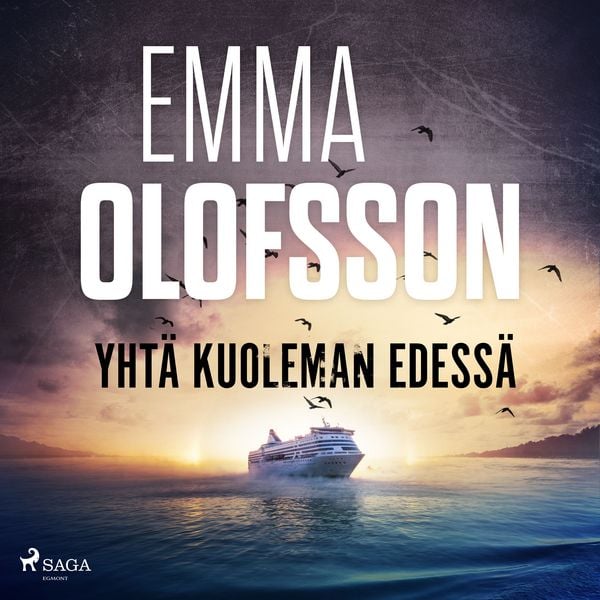 Emma Olofsson: Yhtä kuoleman edessäSerieYhtä kuoleman edessäEmma Olofsson
 -
Cover - Ellinor Rafaelsen - För sista gången
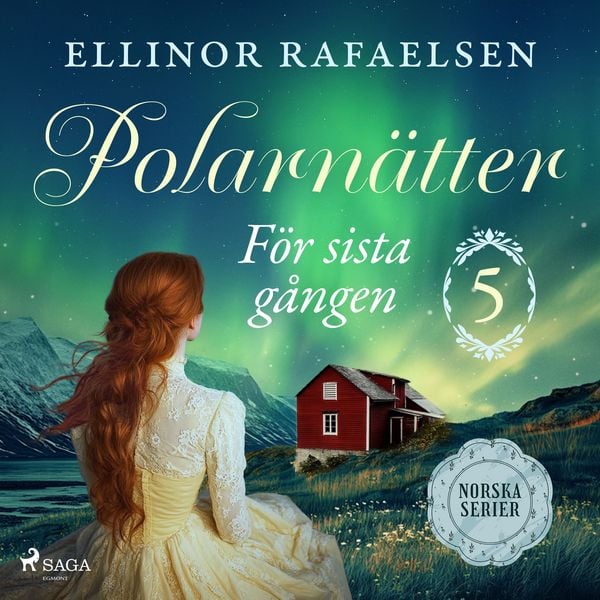 Ellinor Rafaelsen: För sista gångenSerieFör sista gångenEllinor Rafaelsen
 -
Cover - Emma Ranta - Rakkauden uusi vuosi
 Emma Ranta: Rakkauden uusi vuosiRakkauden uusi vuosiEmma Ranta
 -
Cover - Ellinor Rafaelsen - Trollbunden
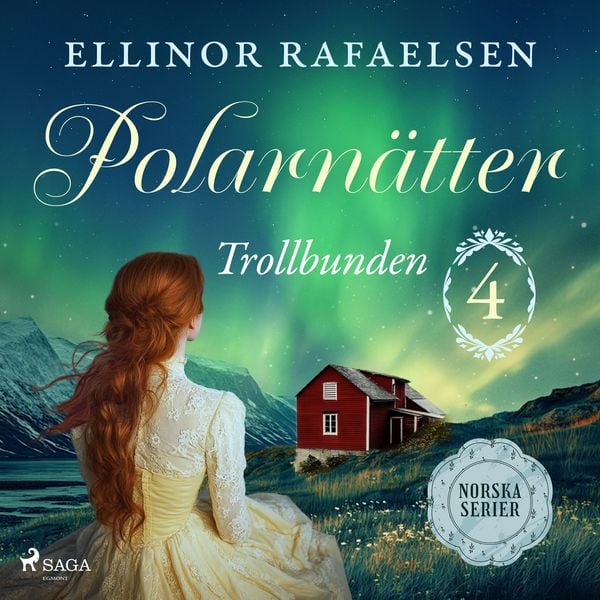 Ellinor Rafaelsen: TrollbundenSerieTrollbundenEllinor Rafaelsen