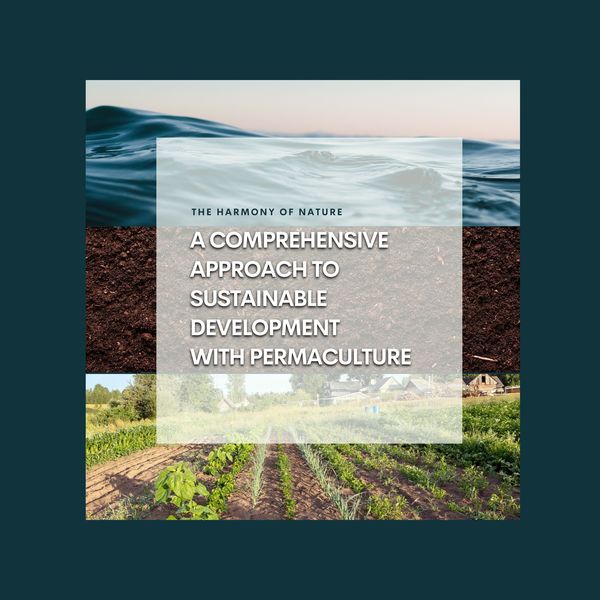
The Harmony of Nature
Skye Allye
Unabridged
•
9784029746644
4 hours 51 minutes

Some articles contain affiliate links (marked with an asterisk *). If you click on these links and purchase products, we will receive a small commission at no extra cost to you. Your support helps to keep this site running and to continue creating useful content. Thank you for your support!
From the publisher
By enabling systems to exhibit their own development, permaculture follows a philosophy of working with nature rather than against it, of long-term observation rather than hasty action, of considering systems in all of their roles rather than focusing on a single output. To put it another way, the vast majority of the species (and biomass) in a farmed environment are meant for human consumption or the use of animals. A small portion of the entire primordial or natural species assemblage is accessible to us, but we are not the exclusive beneficiaries of that portion. The plants we grow in our own gardens, on the other hand, are all chosen for their ability to directly benefit us as gardeners. Designing a home revolves around the requirements of its inhabitants, making it a human-centered endeavor (anthropocentric). In order to preserve wilderness, we need both a human-centered morality and a focus on the natural world. As long as we don't control our monetary cravings, we won't be able to do any good for the natural world. Achieving this goal will enable us to leave most of the agricultural landscape behind, allowing natural systems to thrive. All of this and much more are discussed in this book with exhaustive research and systematic steps for your benefit and thought-provoking and persuasive information.
