Object Lessons
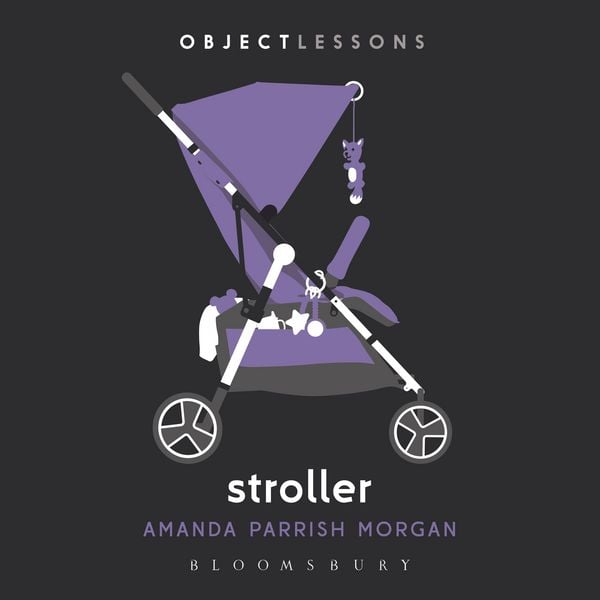
Stroller
Amanda Parrish Morgan
Unabridged
•
9798765153406
2 hours 47 minutes

Some articles contain affiliate links (marked with an asterisk *). If you click on these links and purchase products, we will receive a small commission at no extra cost to you. Your support helps to keep this site running and to continue creating useful content. Thank you for your support!
From the publisher
Bloomsbury presents Stroller by Amanda Parrish Morgan, read by Rachel Handshaw. The Best Books of 2022, The New Yorker Object Lessons is a series of short books about the hidden lives of ordinary things. Among the many things expectant parents are told to buy, none is a more visible symbol of status and parenting philosophy than a stroller. Although its association with wealth dates back to the invention of the first pram in the 1700s, in recent decades, four-figure strollers have become not just status symbols but cultural identifiers. There are sleek jogging strollers for serious athletes, impossibly compact strollers for parents determined to travel internationally with pre-ambulatory children, and those featuring a ride-on kick board or second, less 'babyish' seat, designed with older siblings in mind. Despite the many models available, we are all familiar with the image of a harried mother struggling to use a stroller of any kind in a public space that does not accommodate it. There are anti-stroller evangelists, fervently preaching the gospel of baby wearing and attachment parenting. All of these attitudes, seemingly about an object, are also revealing of how we believe parents and children ought to move through the world. Object Lessons is published in partnership with an essay series in The Atlantic.
From the same authors


Also included in

Bloomsbury Academic
-
Cover - Katie Fforde - A Cottage in the Country
 Katie Fforde: A Cottage in the CountryA Cottage in the CountryKatie Fforde
 -
Cover - Debra Curtis - Laws of Love and Logic
 Debra Curtis: Laws of Love and LogicLaws of Love and LogicDebra Curtis
 -
Cover - Slavoj Žižek - Surplus-Enjoyment
 Slavoj Žižek: Surplus-EnjoymentSurplus-EnjoymentSlavoj Žižek
 -
Cover - Slavoj Žižek - Christian Atheism
 Slavoj Žižek: Christian AtheismChristian AtheismSlavoj Žižek