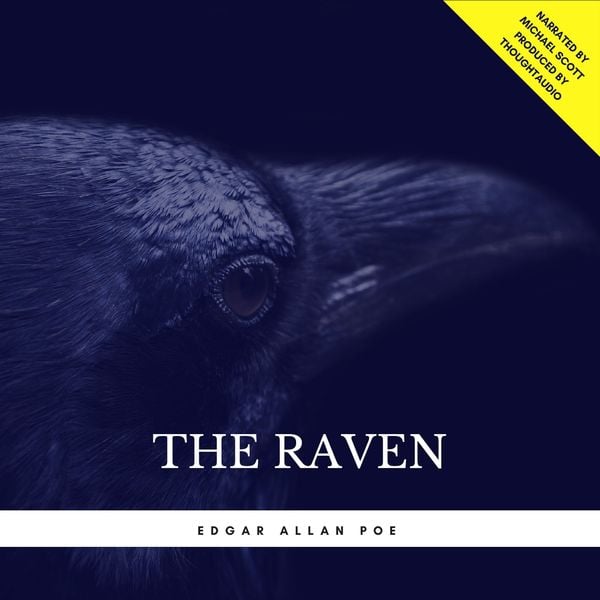
The Raven
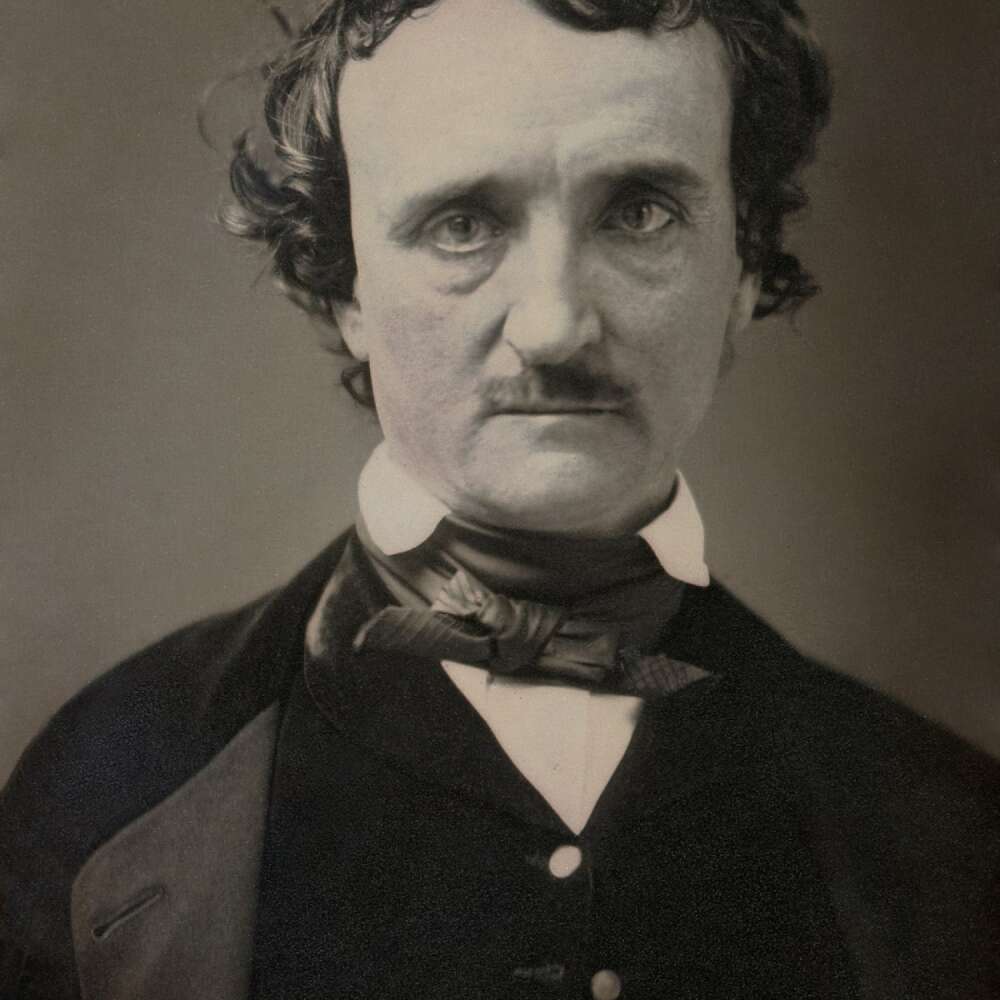
Edgar Allan Poe
Completo
•
9782291044642
10 minutos

Algunos artículos contienen enlaces de afiliados (marcados con un asterisco *). Si hace clic en estos enlaces y compra productos, recibiremos una pequeña comisión sin coste adicional para usted. Su apoyo ayuda a mantener este sitio en funcionamiento y a seguir creando contenidos útiles. Gracias por su apoyo.
De la editorial
The Raven' is a narrative poem by American writer Edgar Allan Poe. First published in January 1845, the poem is often noted for its musicality, stylized language, and supernatural atmosphere. It tells of a talking raven's mysterious visit to a distraught lover, tracing the man's slow fall into madness. The lover, often identified as being a student, is lamenting the loss of his love, Lenore. Sitting on a bust of Pallas, the raven seems to further instigate his distress with its constant repetition of the word 'Nevermore'. The poem makes use of folk, mythological, religious, and classical references. Poe claimed to have written the poem logically and methodically, intending to create a poem that would appeal to both critical and popular tastes, as he explained in his 1846 follow-up essay, 'The Philosophy of Composition'. The poem was inspired in part by a talking raven in the novel Barnaby Rudge: A Tale of the Riots of 'Eighty by Charles Dickens. Poe borrows the complex rhythm and meter of Elizabeth Barrett's poem 'Lady Geraldine's Courtship', and makes use of internal rhyme as well as alliteration throughout. 'The Raven' was first attributed to Poe in print in the New York Evening Mirror on January 29, 1845. Its publication made Poe popular in his lifetime, although it did not bring him much financial success. The poem was soon reprinted, parodied, and illustrated. Critical opinion is divided as to the poem's literary status, but it nevertheless remains one of the most famous poems ever written.
Del mismo autor

AB Books
-
Cover - Michael Scott Gallegos - Bar Room Brawls
 Michael Scott Gallegos: Bar Room BrawlsBar Room BrawlsMichael Scott Gallegos
 -
Cover - D. H. Lawrence - The Prussian Officer
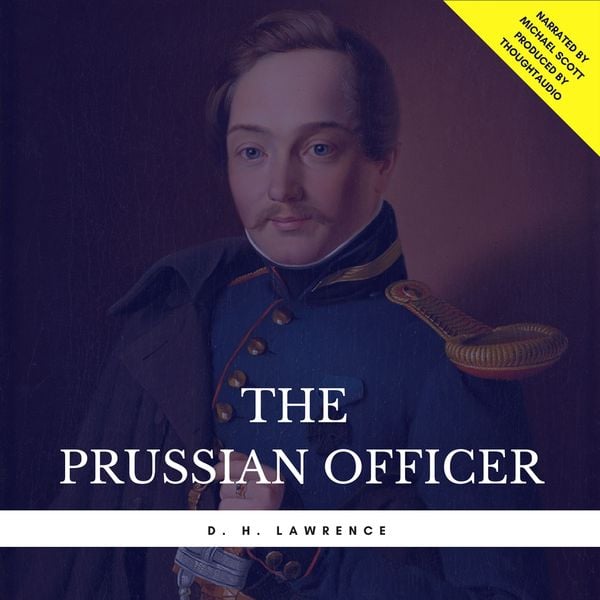 D. H. Lawrence: The Prussian OfficerThe Prussian OfficerD. H. Lawrence
 -
Cover - Mark Twain - The Mysterious Stranger
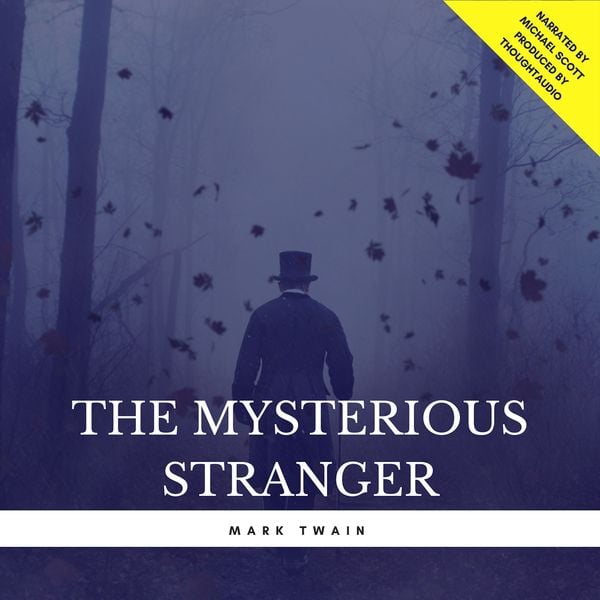 Mark Twain: The Mysterious StrangerThe Mysterious StrangerMark Twain
 -
Cover - Stephen Crane - The Red Badge of Courage
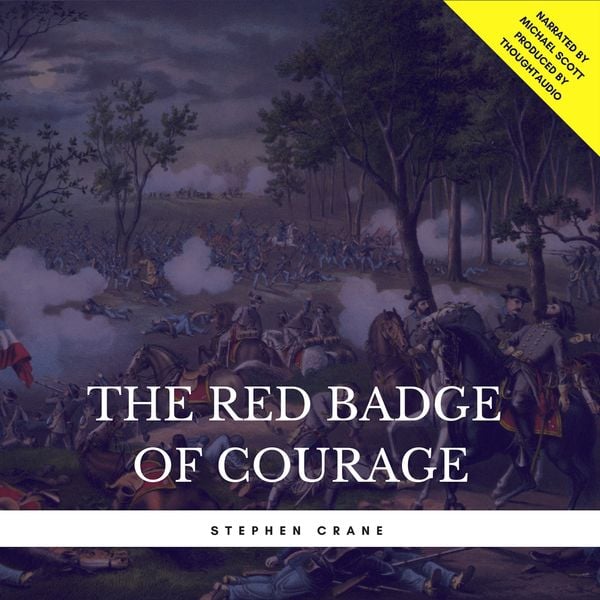 Stephen Crane: The Red Badge of CourageThe Red Badge of CourageStephen Crane
 -
Cover - Washington Irving - The Legend of Sleepy Hollow
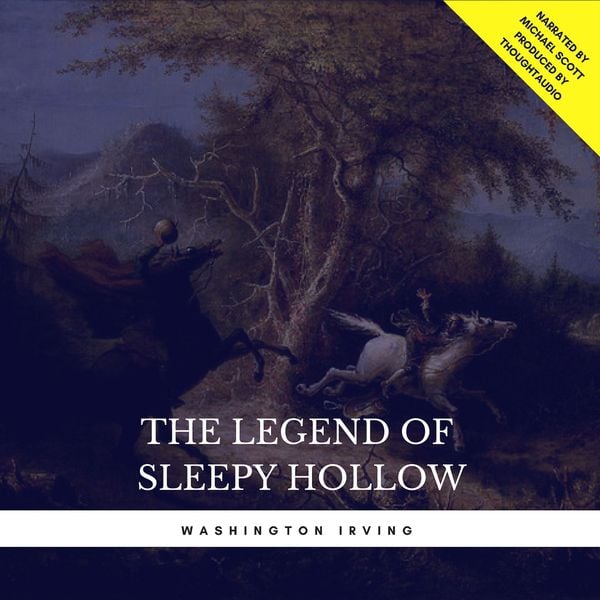 Washington Irving: The Legend of Sleepy HollowThe Legend of Sleepy HollowWashington Irving