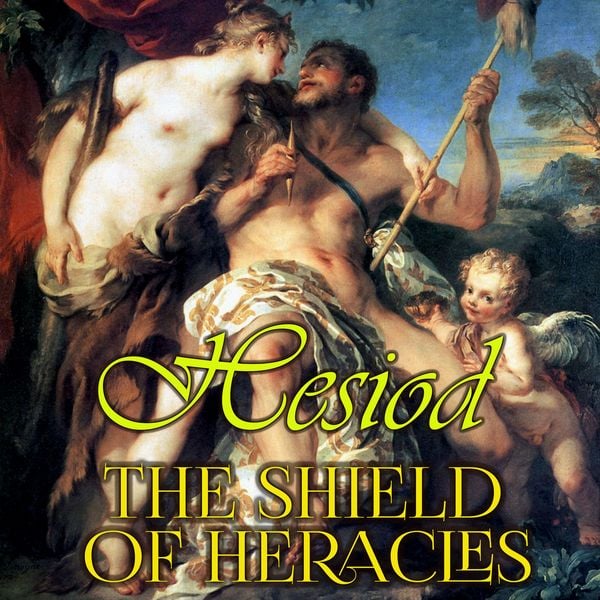
The Shield of Heracles
Hesiod
Completo
•
4069828340527
33 minutos

Algunos artículos contienen enlaces de afiliados (marcados con un asterisco *). Si hace clic en estos enlaces y compra productos, recibiremos una pequeña comisión sin coste adicional para usted. Su apoyo ayuda a mantener este sitio en funcionamiento y a seguir creando contenidos útiles. Gracias por su apoyo.
De la editorial
The Shield of Heracles is an archaic Greek epic poem that was attributed to Hesiod during antiquity. The subject of the poem is the expedition of Heracles and Iolaus against Cycnus, the son of Ares, who challenged Heracles to combat as Heracles was passing through Thessaly. It has been suggested that this epic may reflect anti-Thessalian feeling after the First Sacred War (595–585 BCE): in the epic, a Thessalian hero interfering with the Phocian sanctuary is killed by a Boeotian hero (Heracles), whose mortal father Amphitryon had for allies Locrians and Phocians. This was a pastiche made to be sung at a Boeotian festival at midsummer at the hottest time of the dogstar Sirios. To serve as an introduction, fifty-six lines have been taken from the Hesiodic Catalogue of Women. The late 3rd- and early 2nd-century BCE critic Aristophanes of Byzantium, who considered the Catalogue to be the work of Hesiod, noted the borrowing, which led him to suspect that the Shield was spurious.
Del mismo autor


Strelbytskyy Multimedia Publishing
-
Cover - A. S. Pushkin - Baryishnya-krestyanka
 A. S. Pushkin: Baryishnya-krestyankaBaryishnya-krestyankaA. S. Pushkin
 -
Cover - Alexander Pushkin - Istoriya Pugachyova
 Alexander Pushkin: Istoriya PugachyovaIstoriya PugachyovaAlexander Pushkin
 -
Cover - Alexander Pushkin - Pesn' o veschem Olege
 Alexander Pushkin: Pesn' o veschem OlegePesn' o veschem OlegeAlexander Pushkin
 -
Cover - Taras Shevchenko - Kobzar. Za vydannyam 1840 roku taras ...
 Taras Shevchenko: Kobzar. Za vydannyam 1840 roku taras ...Kobzar. Za vydannyam 1840 roku taras ...Taras Shevchenko
 -
Cover - Alexander Pushkin - Roman v pismah
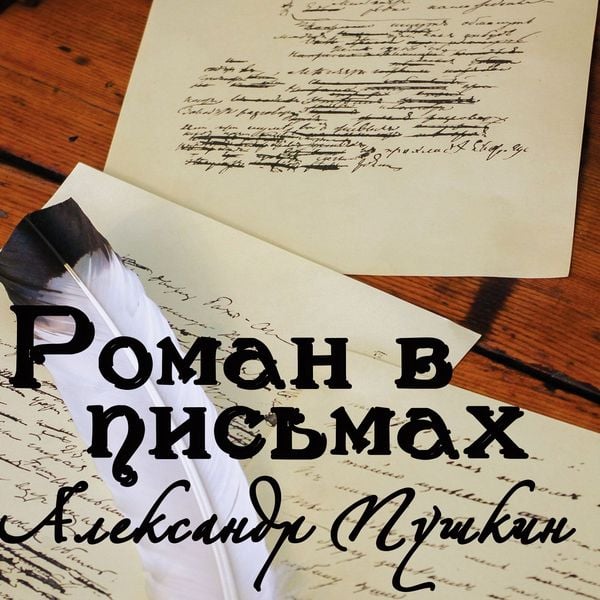 Alexander Pushkin: Roman v pismahRoman v pismahAlexander Pushkin