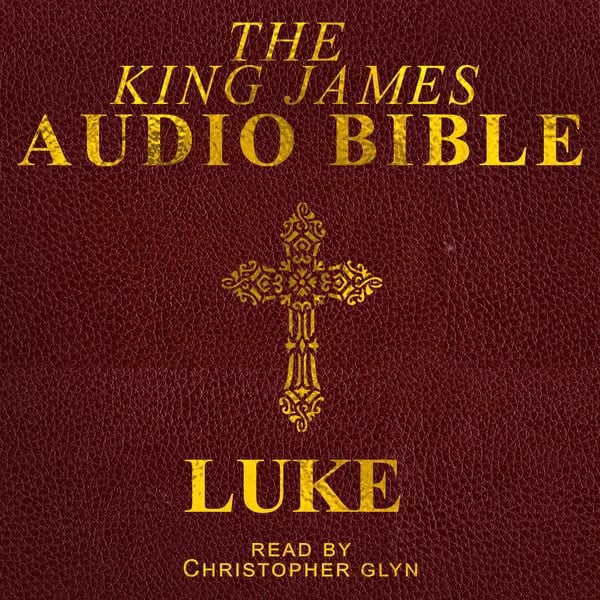
The New Testament
Luke
Christopher Glyn
Onverkort
•
9781909908390
2 uur 37 minuten

Sommige artikelen bevatten affiliate links (gemarkeerd met een sterretje *). Als je op deze links klikt en producten koopt, ontvangen we een kleine commissie zonder extra kosten voor jou. Uw steun helpt ons deze site draaiende te houden en nuttige inhoud te blijven maken. Hartelijk dank voor uw steun!
Van de uitgever
The Gospel of Luke is the third book of the New Testament in the Christian Bible and is attributed to Luke, a companion of the Apostle Paul. This Gospel is unique in its historical, social, and medical detail, reflecting Luke's background as a physician and historian. It is addressed to Theophilus (which means 'lover of God' in Greek) and aims to provide an orderly and detailed account of the life, teachings, death, and resurrection of Jesus Christ. Luke's Gospel is notable for its emphasis on the compassion of Jesus, His concern for the poor, the marginalized, and sinners, and the role of the Holy Spirit in Jesus' life and ministry. **Key Themes and Features of Luke:** 1. **Universal Salvation:** Luke emphasizes that the message and salvation of Jesus are available to all people, Jews and Gentiles alike. This universal approach is evident in the inclusion of stories and teachings not found in the other Gospels, such as the parables of the Good Samaritan and the Prodigal Son. 2. **The Role of Women:** Luke's Gospel gives significant attention to women, highlighting their presence and involvement in Jesus' ministry more than any other Gospel. Stories unique to Luke, such as those of Elizabeth, Mary, Anna, and the women who supported Jesus' ministry, underscore the inclusive nature of Jesus' message. 3. **Jesus as the Compassionate Savior:** Luke portrays Jesus as deeply compassionate and concerned with the sick, the poor, sinners, and the oppressed. His healing miracles and forgiveness of sins demonstrate His divine authority and mercy. 4. **The Work of the Holy Spirit:** The Holy Spirit's presence and activity are emphasized throughout Luke's Gospel, from the announcement of John the Baptist's birth to the promise of the Holy Spirit's power to the disciples. 5. **Prayer:** Luke highlights Jesus' prayer life more than any other Gospel. Jesus is often shown praying at critical moments in His ministry, teaching His disciples to pray, and encouraging persistence in prayer. 6. **Joy and Praise:** The Gospel of Luke is characterized by expressions of joy and praise. The births of John the Baptist and Jesus, in particular, are accompanied by songs of praise and thanksgiving, setting a tone of joy for the entire narrative. **Structure and Composition:** Luke's Gospel can be broadly divided into several sections: - **Introduction (1:1-4):** Luke states his purpose for writing an orderly account of the life of Jesus. - **Infancy Narratives (1:5-2:52):** The birth and early life of John the Baptist and Jesus, highlighting their divine missions. - **Ministry in Galilee (3:1-9:50):** John the Baptist's ministry, Jesus' baptism and temptation, the call of the disciples, teachings, miracles, and the revelation of Jesus' identity. - **Journey to Jerusalem (9:51-19:44):** Jesus' teachings and encounters as He travels to Jerusalem, emphasizing His mission and the coming kingdom of God. - **The Passion Narrative (19:45-23:56):** The events of Holy Week, from Jesus' entry into Jerusalem to His crucifixion and burial. - **The Resurrection (24:1-53):** The discovery of the empty tomb, appearances of the risen Christ, and the ascension. The Gospel of Luke is the first part of a two-volume work, the second being the Acts of the Apostles, which continues the story of Jesus' impact through the early church. Together, these books provide a comprehensive account of the Christian faith's beginnings, emphasizing God's plan for universal salvation through Jesus Christ.
Van dezelfde auteurs


Whitestone Media
-
Cover - Christopher Glyn - The Book Of Tobit
 Christopher Glyn: The Book Of TobitThe Book Of TobitChristopher Glyn
 -
Cover - Christopher Glyn - The Book of Isaiah
 Christopher Glyn: The Book of IsaiahThe Book of IsaiahChristopher Glyn
 -
Cover - Christopher Glyn - The Book Of Susanna
 Christopher Glyn: The Book Of SusannaThe Book Of SusannaChristopher Glyn
 -
Cover - Christopher Glyn - Second Book Of Maccabees
 Christopher Glyn: Second Book Of MaccabeesSecond Book Of MaccabeesChristopher Glyn
 -
Cover - Christopher Glyn - The Book of Baruch
 Christopher Glyn: The Book of BaruchThe Book of BaruchChristopher Glyn
 -
Cover - Christopher Glyn - The Book Of Ecclesiasticus
 Christopher Glyn: The Book Of EcclesiasticusThe Book Of EcclesiasticusChristopher Glyn