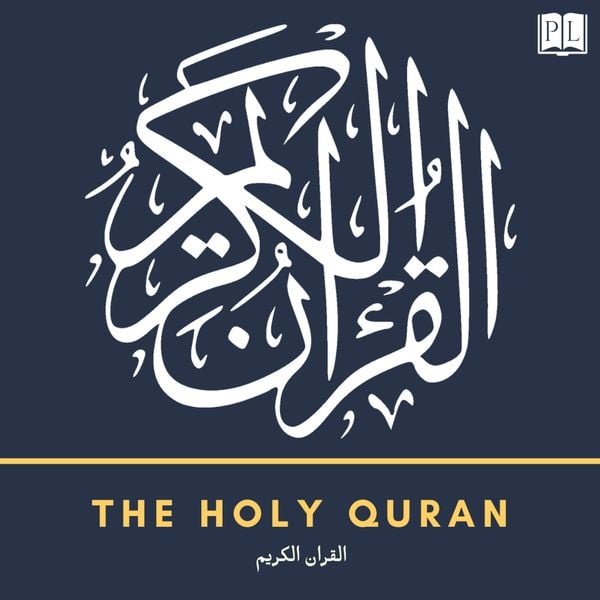
The Holy Quran
Muhammad Habib Shakir
Onverkort
•
4064066823283
22 uur 59 minuten

Sommige artikelen bevatten affiliate links (gemarkeerd met een sterretje *). Als je op deze links klikt en producten koopt, ontvangen we een kleine commissie zonder extra kosten voor jou. Uw steun helpt ons deze site draaiende te houden en nuttige inhoud te blijven maken. Hartelijk dank voor uw steun!
Van de uitgever
The Quran (Arabic: القرآن, romanized: al-Qurʼān, lit. the recitation), also romanized Qur'an or Koran, is the central religious text of Islam, believed by Muslims to be a revelation from (Allah). It is widely regarded as the finest work in classical Arabic literature. It is organized in 114 chapters (surah (سور; singular: سورة, sūrah), which consist of verses (āyāt (آيات; singular: آية, āyah)). Muslims believe that the Quran was orally revealed by Allah to the final prophet, Muhammad, through the archangel Gabriel (Jibril), incrementally over a period of some 23 years, beginning in the month of Ramadan, when Muhammad was 40; and concluding in 632, the year of his death. Muslims regard the Quran as Muhammad's most important miracle; a proof of his prophethood; and the culmination of a series of divine messages starting with those revealed to Adam, including the Tawrah (Torah), the Zabur (Psalms) and the Injil (Gospel). The word Quran occurs some 70 times in the text itself, and other names and words are also said to refer to the Quran. The Quran is thought by Muslims to be not simply divinely inspired, but the literal word of God. Muhammad did not write it as he did not know how to write. According to tradition, several of Muhammad's companions served as scribes, recording the revelations. Shortly after the prophet's death, the Quran was compiled by the companions, who had written down or memorized parts of it. Caliph Uthman established a standard version, now known as the Uthmanic codex, which is generally considered the archetype of the Quran known today. There are, however, variant readings, with mostly minor differences in meaning. The Quran assumes familiarity with major narratives recounted in the Biblical and apocryphal scriptures. It summarizes some, dwells at length on others and, in some cases, presents alternative accounts and interpretations of events. The Quran describes itself as a book of guidance for mankind (2:185). It sometimes offers detailed accounts of specific historical events, and it often emphasizes the moral significance of an event over its narrative sequence. Supplementing the Quran with explanations for some cryptic Quranic narratives, and rulings that also provide the basis for sharia (Islamic law) in most denominations of Islam, are hadiths -oral and written traditions believed to describe words and actions of Muhammad. During prayers, the Quran is recited only in Arabic. Someone who has memorized the entire Quran is called a hafiz (memorizer). An ayah (Quranic verse) is sometimes recited with a special kind of elocution reserved for this purpose, called tajwid. During the month of Ramadan, Muslims typically complete the recitation of the whole Quran during tarawih prayers. In order to extrapolate the meaning of a particular Quranic verse, most Muslims rely on exegesis, or commentary (tafsir).
Van dezelfde auteurs


Parolita Libro
-
Cover - Oscar Wilde - The Canterville Ghost
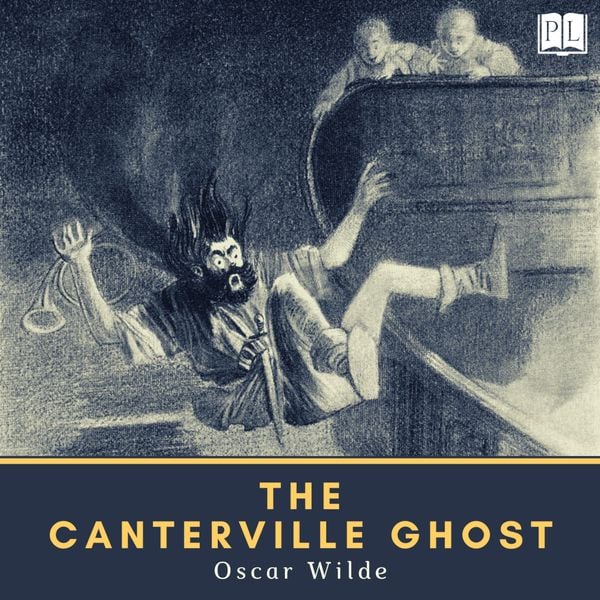 Oscar Wilde: The Canterville GhostThe Canterville GhostOscar Wilde
 -
Cover - Lucy Maud Montgomery - Emily Climbs
 Lucy Maud Montgomery: Emily ClimbsSeriesEmily ClimbsLucy Maud Montgomery
 -
Cover - Fyodor Dostoevsky - The Brothers Karamazov
 Fyodor Dostoevsky: The Brothers KaramazovThe Brothers KaramazovFyodor Dostoevsky
 -
Cover - Arthur Conan Doyle - Sherlock Holmes - The Novels
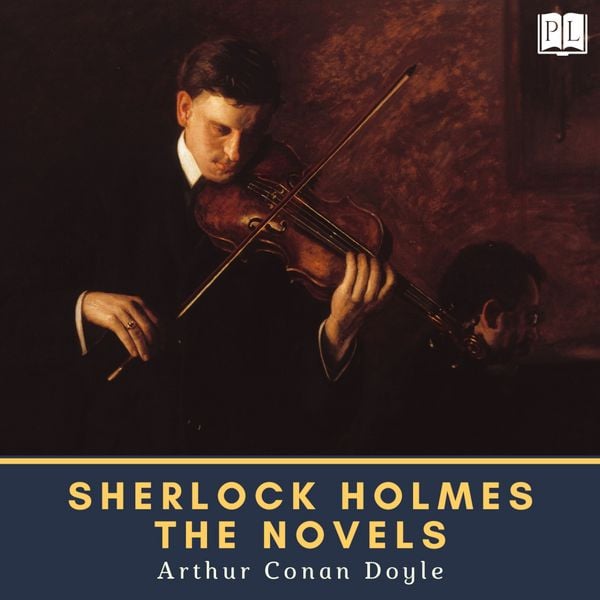 Arthur Conan Doyle: Sherlock Holmes - The NovelsSherlock Holmes - The NovelsArthur Conan Doyle
 -
Cover - Selma Lagerlöf - The Wonderful Adventures of Nils
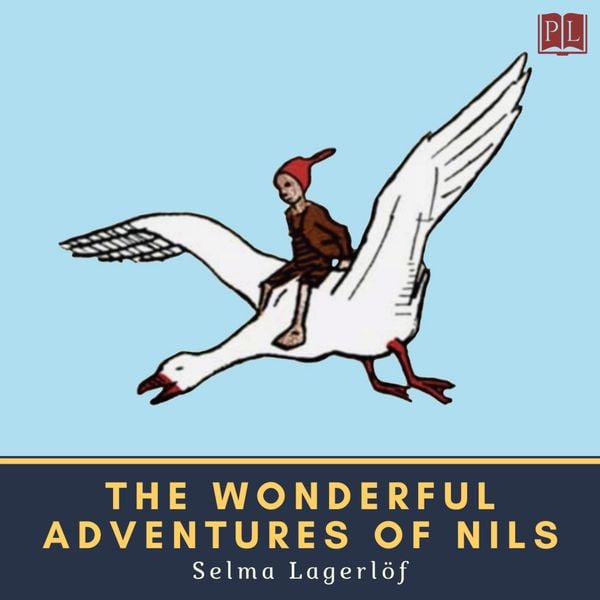 Selma Lagerlöf: The Wonderful Adventures of NilsThe Wonderful Adventures of NilsSelma Lagerlöf