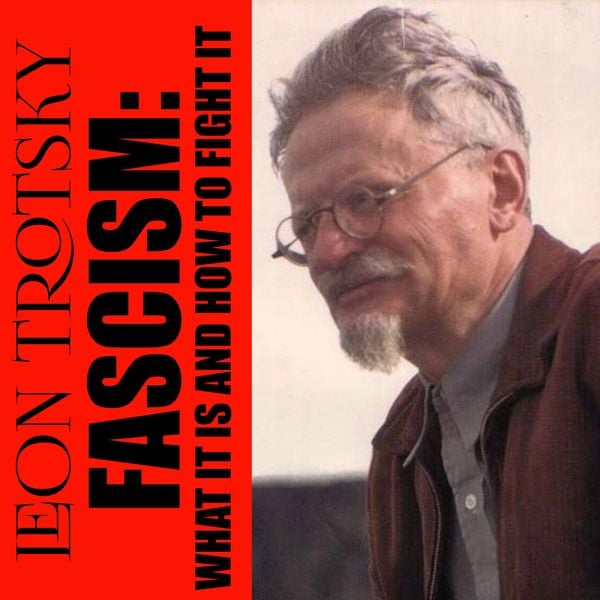
Fascism: What It Is And How To Fight It
Leon Trotsky
Onverkort
•
4099995200706
1 uur 42 minuten

Sommige artikelen bevatten affiliate links (gemarkeerd met een sterretje *). Als je op deze links klikt en producten koopt, ontvangen we een kleine commissie zonder extra kosten voor jou. Uw steun helpt ons deze site draaiende te houden en nuttige inhoud te blijven maken. Hartelijk dank voor uw steun!
Van de uitgever
Leon Trotsky (1879-1940) was a Bolshevik revolutionary and Marxist theorist. He was one of the leaders of the Russian October Revolution, second only to Vladimir Lenin. During the early days of the Soviet Union, he served first as People's Commissar for Foreign Affairs and later as the founder and commander of the Red Army and People's Commissar of War. He was also among the first members of the Politburo. Why fascism was able to conquer only in those countries where social democratic or Stalinist parties blocked the workers and their allies from utilizing a revolutionary situation to remove the capitalists from power. There is a scientific analysis of fascism. It was made by the exiled Bolshevik revolutionary Leon Trotsky not as a postmortem, but during the rise of fascism. This was — along with his analysis of the nature of Stalinism — Trotsky's greatest contribution to Marxist theory. He began the task after Mussolini's victory in Italy in 1922 and brought itto ahigh pointin the years preceding Hitler'striumphin Germany in 1933.
Van dezelfde auteurs


Strelbytskyy Multimedia Publishing
-
Cover - A. S. Pushkin - Baryishnya-krestyanka
 A. S. Pushkin: Baryishnya-krestyankaBaryishnya-krestyankaA. S. Pushkin
 -
Cover - Alexander Pushkin - Istoriya Pugachyova
 Alexander Pushkin: Istoriya PugachyovaIstoriya PugachyovaAlexander Pushkin
 -
Cover - Alexander Pushkin - Pesn' o veschem Olege
 Alexander Pushkin: Pesn' o veschem OlegePesn' o veschem OlegeAlexander Pushkin
 -
Cover - Taras Shevchenko - Kobzar. Za vydannyam 1840 roku taras ...
 Taras Shevchenko: Kobzar. Za vydannyam 1840 roku taras ...Kobzar. Za vydannyam 1840 roku taras ...Taras Shevchenko
 -
Cover - Alexander Pushkin - Roman v pismah
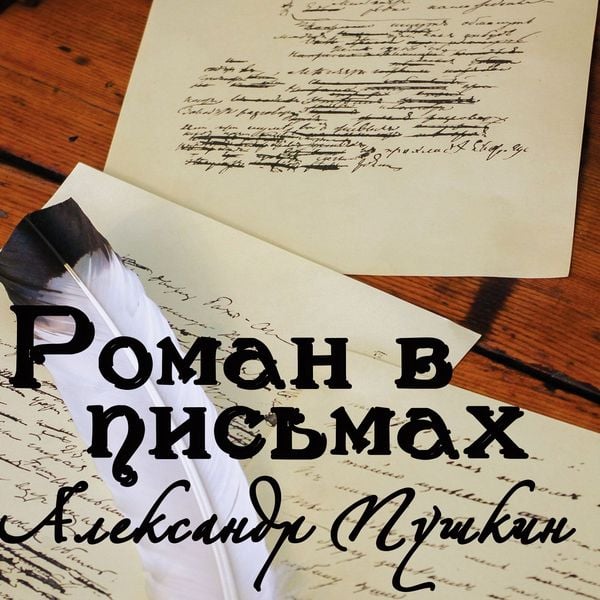 Alexander Pushkin: Roman v pismahRoman v pismahAlexander Pushkin