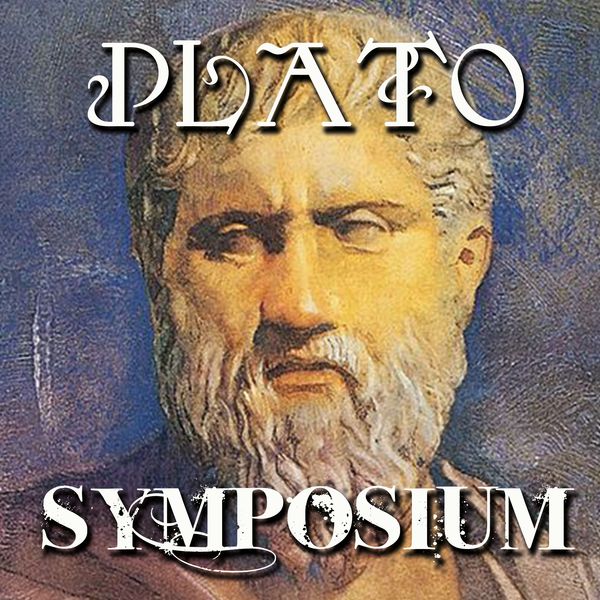
Symposium
Plato
Onverkort
•
4099995461404
2 uur 17 minuten

Sommige artikelen bevatten affiliate links (gemarkeerd met een sterretje *). Als je op deze links klikt en producten koopt, ontvangen we een kleine commissie zonder extra kosten voor jou. Uw steun helpt ons deze site draaiende te houden en nuttige inhoud te blijven maken. Hartelijk dank voor uw steun!
Van de uitgever
The Symposium is a Socratic dialogue by Plato, dated c. 385 – 370 BC. It depicts a friendly contest of extemporaneous speeches given by a group of notable Athenian men attending a banquet. The men include the philosopher Socrates, the general and statesman Alcibiades, and the comic playwright Aristophanes. The panegyrics are to be given in praise of Eros, the god of love and sex. In the Symposium, Eros is recognized both as erotic lover and as a phenomenon capable of inspiring courage, valor, great deeds and works, and vanquishing man's natural fear of death. It is seen as transcending its earthly origins and attaining spiritual heights. The extraordinary elevation of the concept of love raises a question of whether some of the most extreme extents of meaning might be intended as humor or farce. Eros is almost always translated as 'love,' and the English word has its own varieties and ambiguities that provide additional challenges to the effort to understand the Eros of ancient Athens. The dialogue is one of Plato's major works, and is appreciated for both its philosophical content and its literary qualities.
Van dezelfde auteurs


Strelbytskyy Multimedia Publishing
-
Cover - A. S. Pushkin - Baryishnya-krestyanka
 A. S. Pushkin: Baryishnya-krestyankaBaryishnya-krestyankaA. S. Pushkin
 -
Cover - Alexander Pushkin - Istoriya Pugachyova
 Alexander Pushkin: Istoriya PugachyovaIstoriya PugachyovaAlexander Pushkin
 -
Cover - Alexander Pushkin - Pesn' o veschem Olege
 Alexander Pushkin: Pesn' o veschem OlegePesn' o veschem OlegeAlexander Pushkin
 -
Cover - Taras Shevchenko - Kobzar. Za vydannyam 1840 roku taras ...
 Taras Shevchenko: Kobzar. Za vydannyam 1840 roku taras ...Kobzar. Za vydannyam 1840 roku taras ...Taras Shevchenko
 -
Cover - Alexander Pushkin - Roman v pismah
 Alexander Pushkin: Roman v pismahRoman v pismahAlexander Pushkin